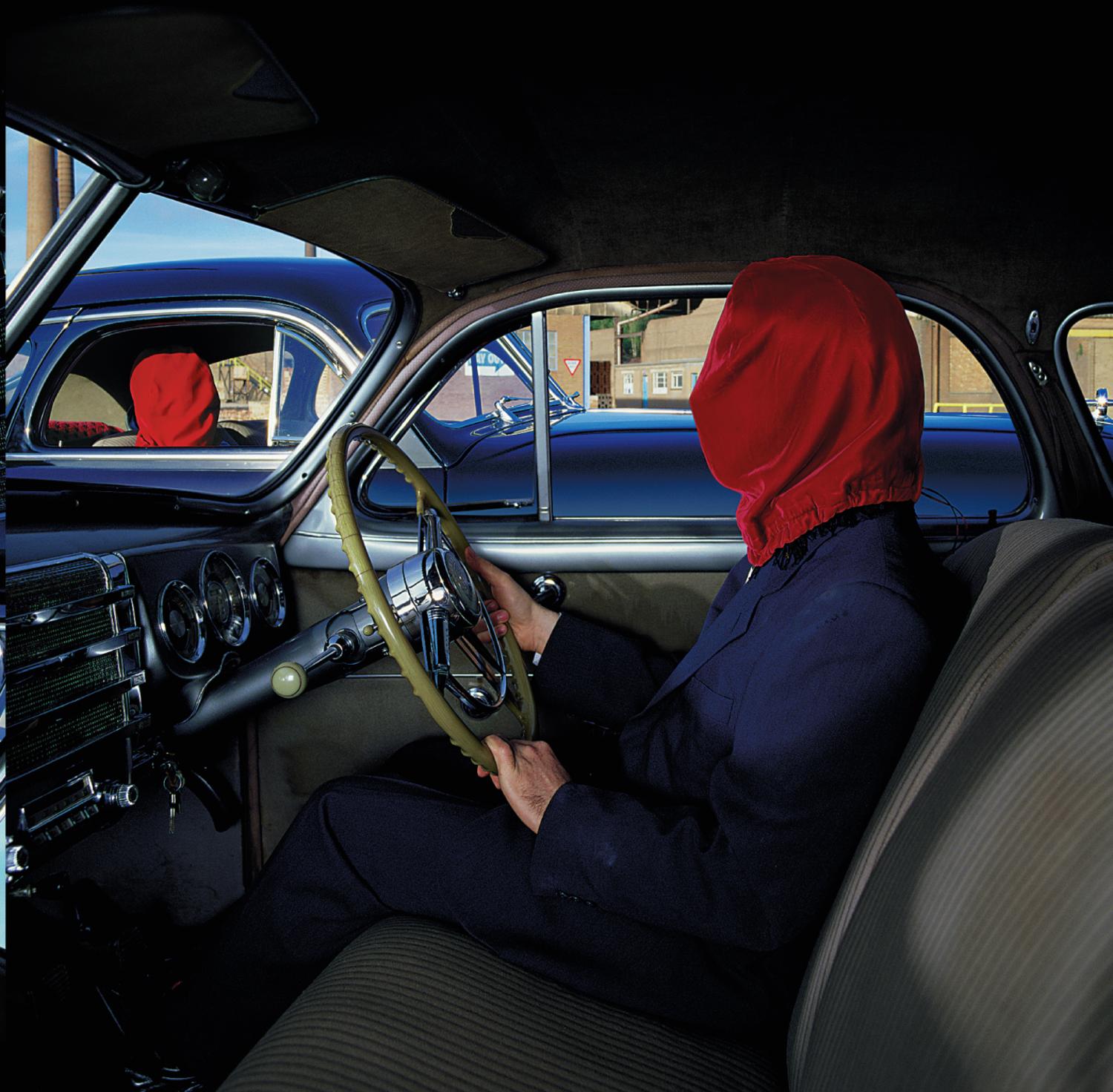
Personnel
-
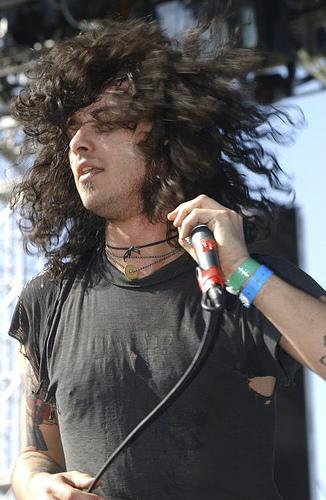 Cedric Bixler-Zavala Vocals, lyrics
 -
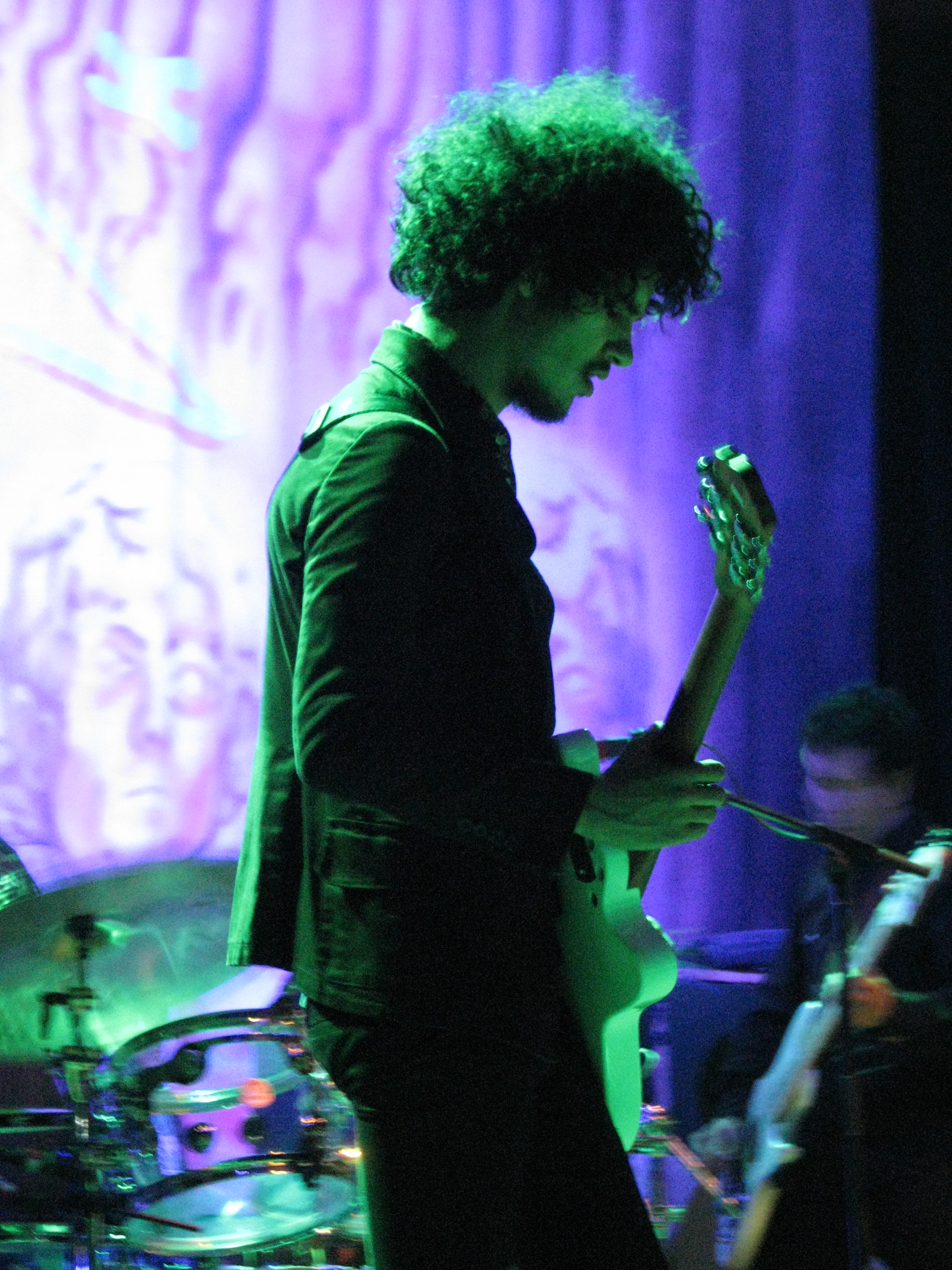 Omar Rodríguez-López Guitars, synthesizers, field recordings, production
 -
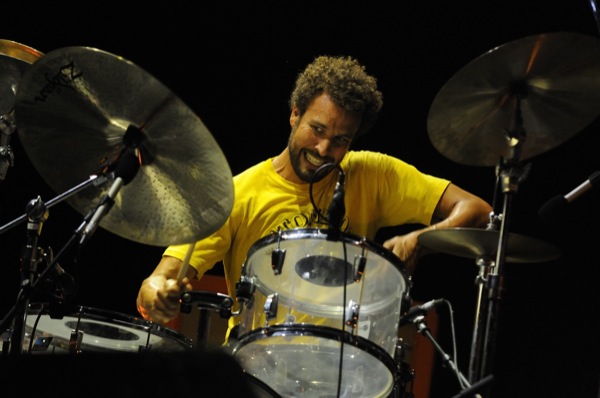 Jon Theodore Drums
 -
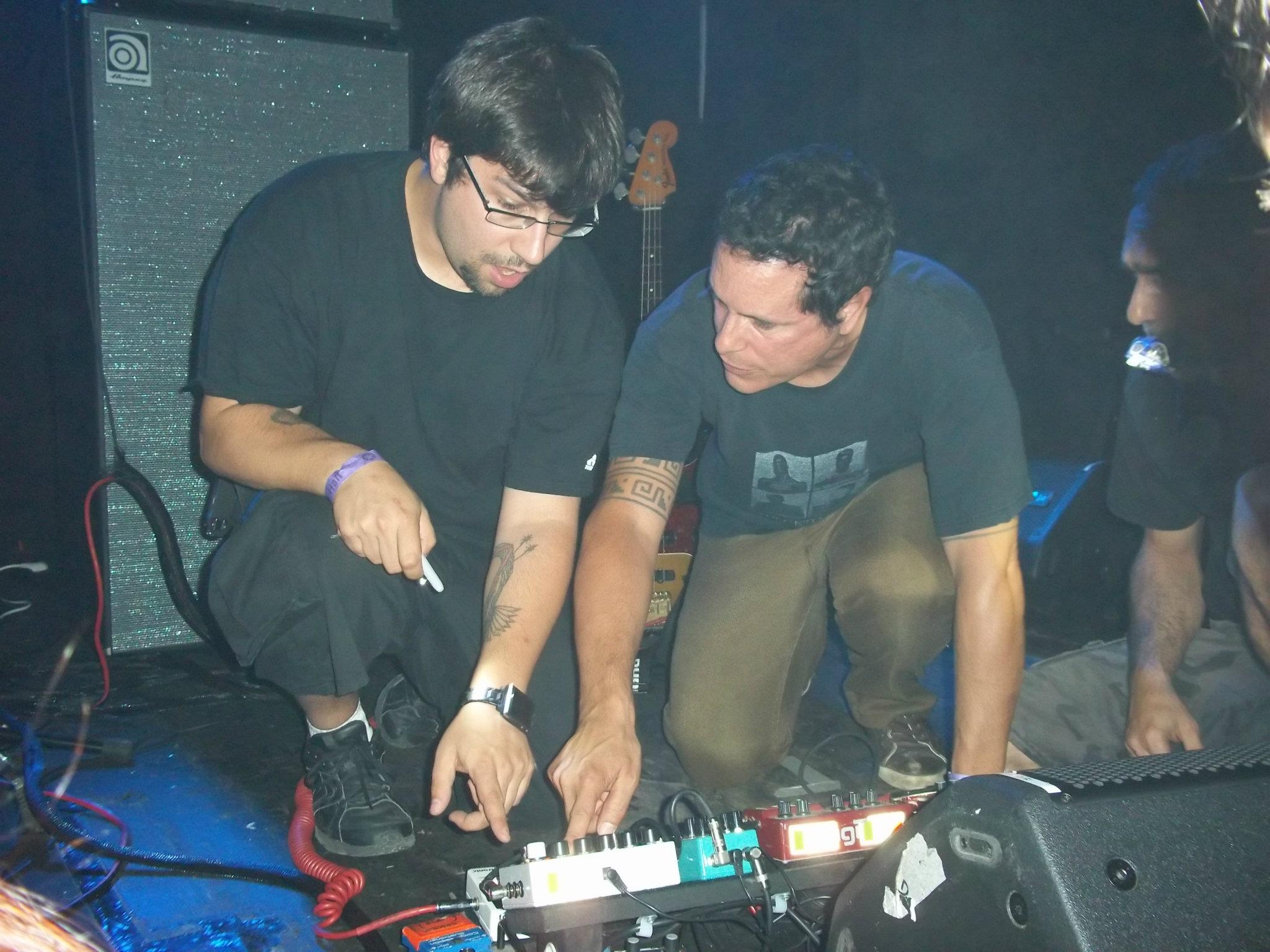 Juan Alderete Bass
 -
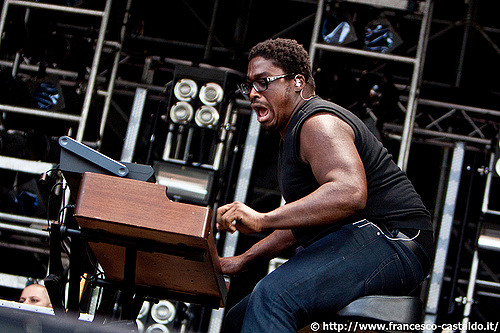 Isiah (Ikey) Owens Keys
 -
 Marcel Rodríguez-López Keys, percussion
 -
 Lenny Castro Additional percussion
 -
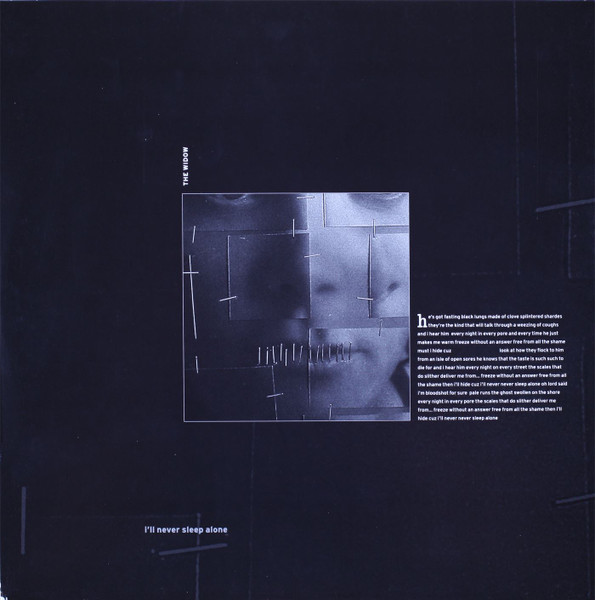
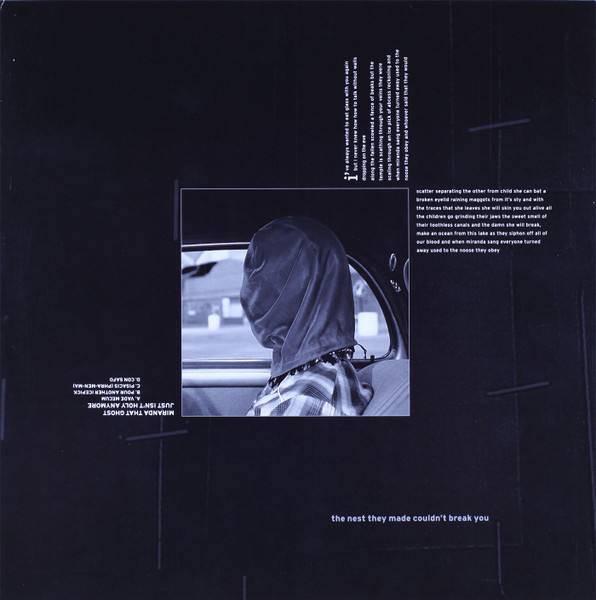
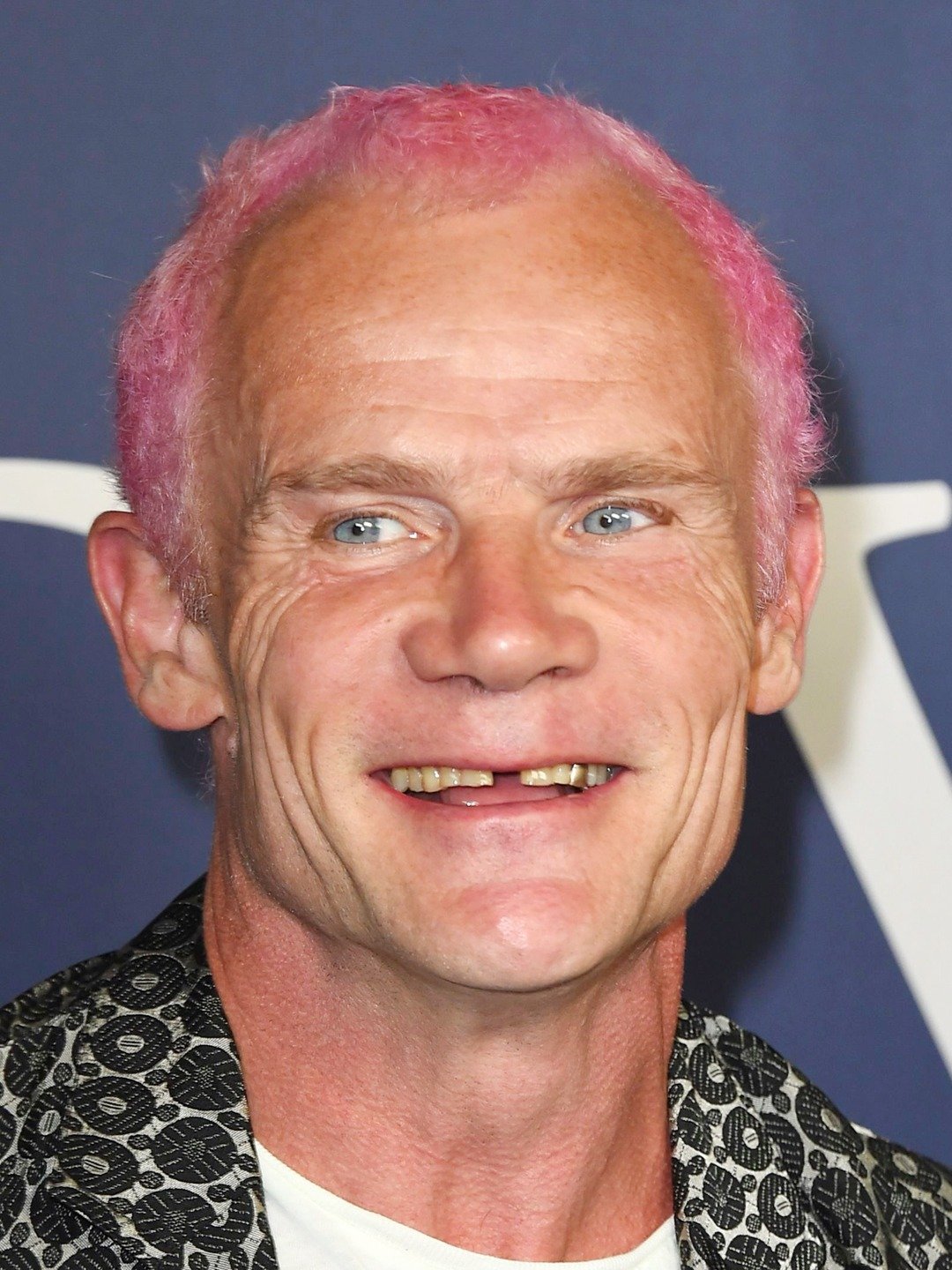 Flea Trumpet on The Widow and Miranda That Ghost Just Isn't Holy Anymore
 -
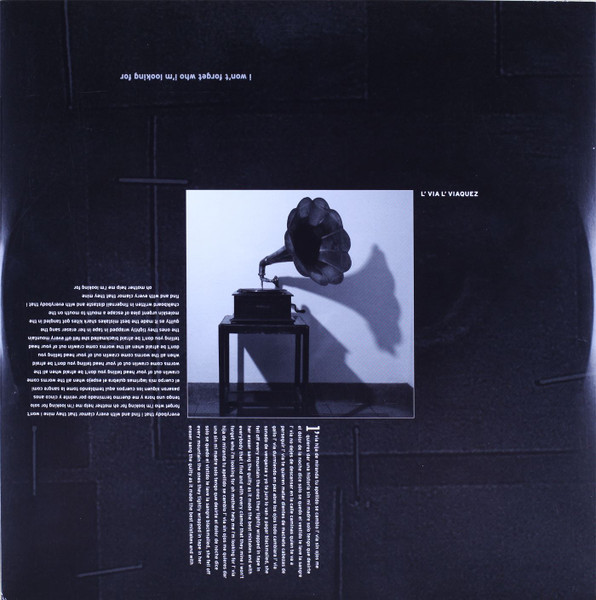
 John Frusciante First two guitar solos on L'Via L'Viaquez
 -
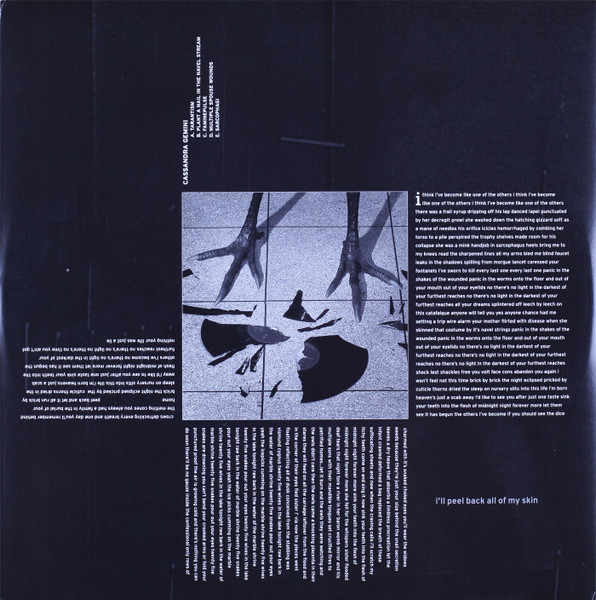
 Adrián Terrazas-González Tenor sax, flute on Cassandra Gemini
 -
 Larry Harlow Piano on L'Via L'Viaquez, treated clavinet on Cassandra Gemini
 - Salvador (Chava) Hernandez Trumpet
-
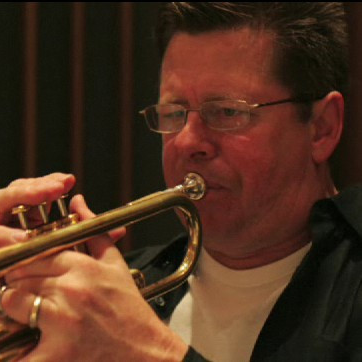 Wayne Bergeron Trumpet
 -
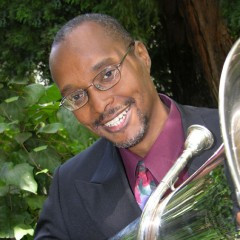 Randy Jones Tuba
 -
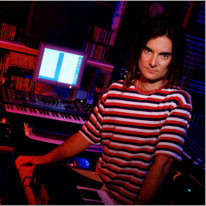 Roger Manning Piano
 -
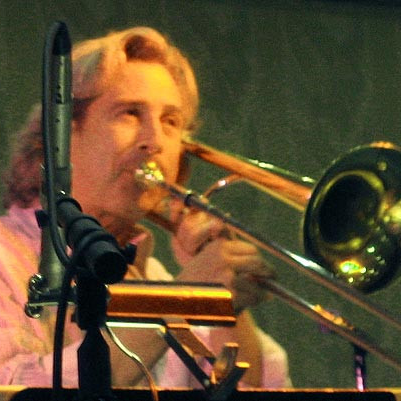 Nicholas Lane Trombone
 -
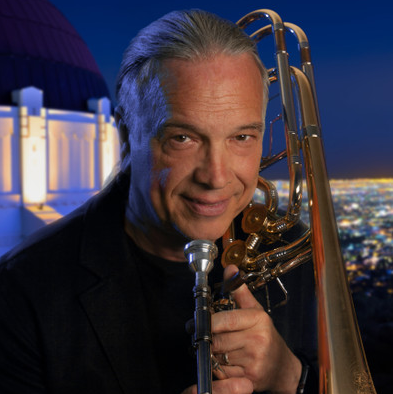 William Reichenbach Bass trombone
 -
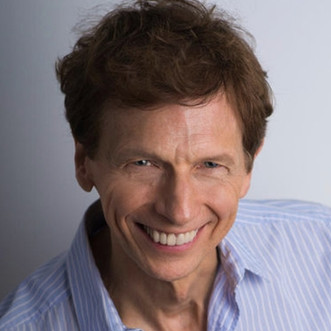 David Campbell String, brass, piano, and percussion arrangements
 -
 Larry Corbett Cello
 -
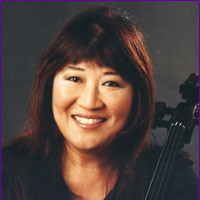 Suzie Katayama Cello
 - Fernano Moreno Violin
- Erick Hernandez Violin
- Diego Casillas Violin
- Ernesto Molina Violin
-
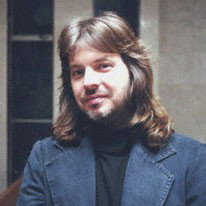 Joel Derouin Violin
 -
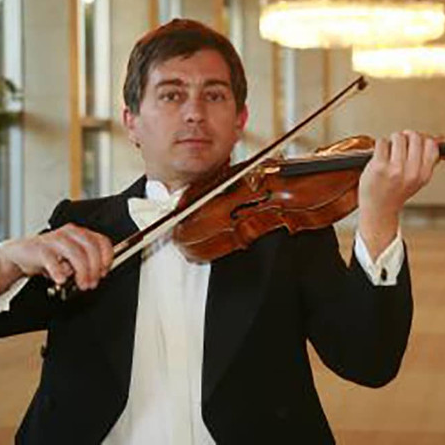 Roberto Cani Violin
 -
 Mario De Leon Violin
 -
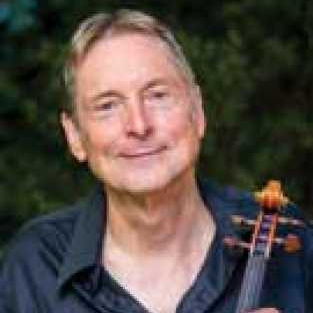 Peter Kent Violin
 -
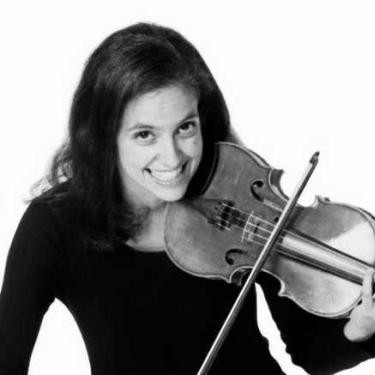 Josefina Vergara Violin
 -
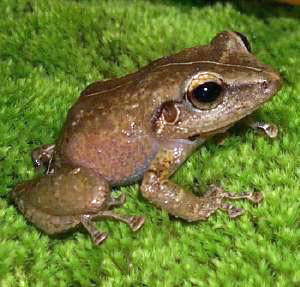 The Coquí of Puerto Rico Frogs
 -
 Gary Gersh A&R
 -
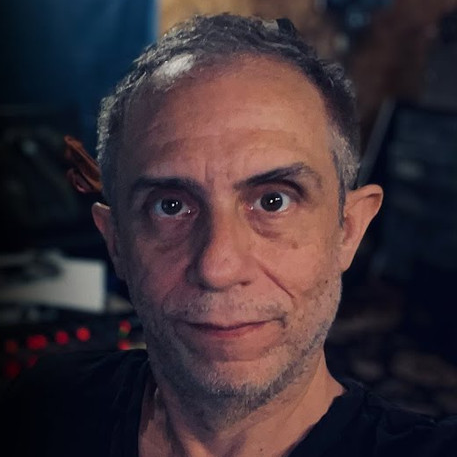 David Schiffman Engineer
 -
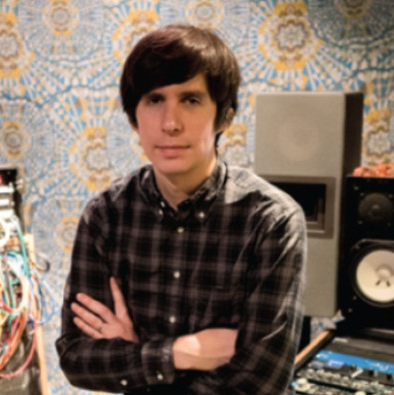 Claudius Mittendorfer Engineer [assistant]
 -
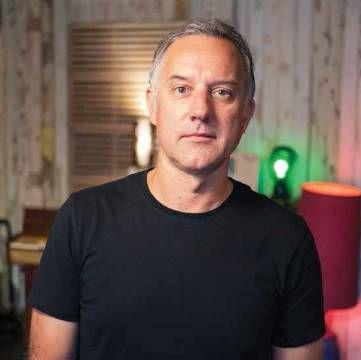 Paul Pilsneniks Engineer [assistant]
 -
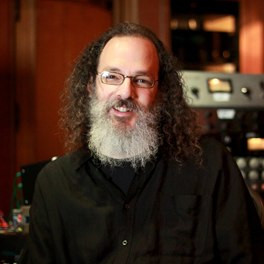 Andrew Scheps Engineer
 -
 Jon Debaun Engineer
 -
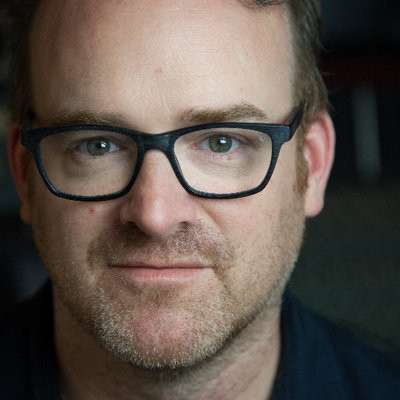 Rich Costey Mix
 -
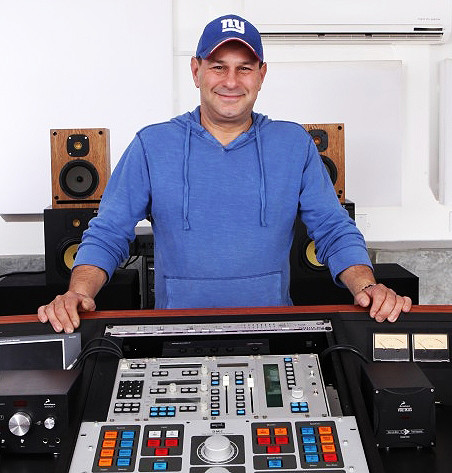 Howie Weinberg Mastering
 -
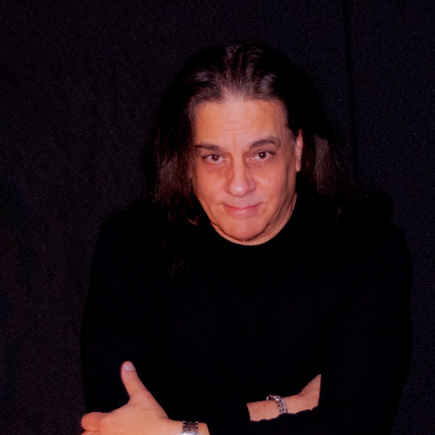 Roger Lian Mastering [assistant]
 - Dan Abbott Cover
- Peter Curzon Cover, photography
-
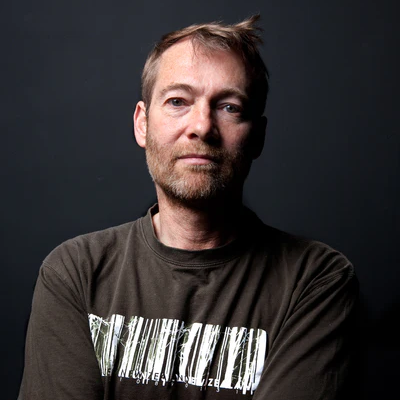 Rupert Truman photography
 -
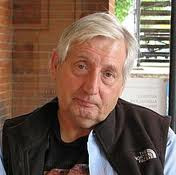 Storm Thorgerson Album Art
 - Bill Thorgerson Album Art
- Kristen Welsh Coordinator [Caretaker of Monkey Island]
-
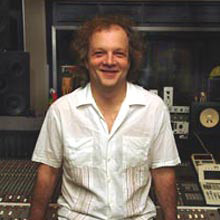 Chris von Rautenkranz Vinyl master [Clouds Hill reissue]
 -
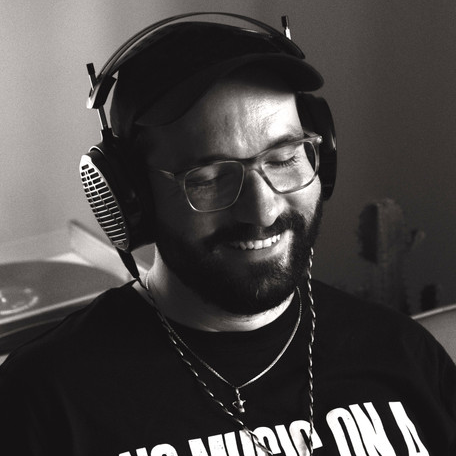 Flo Siller Vinyl master [Clouds Hill reissue]
Liner Notes
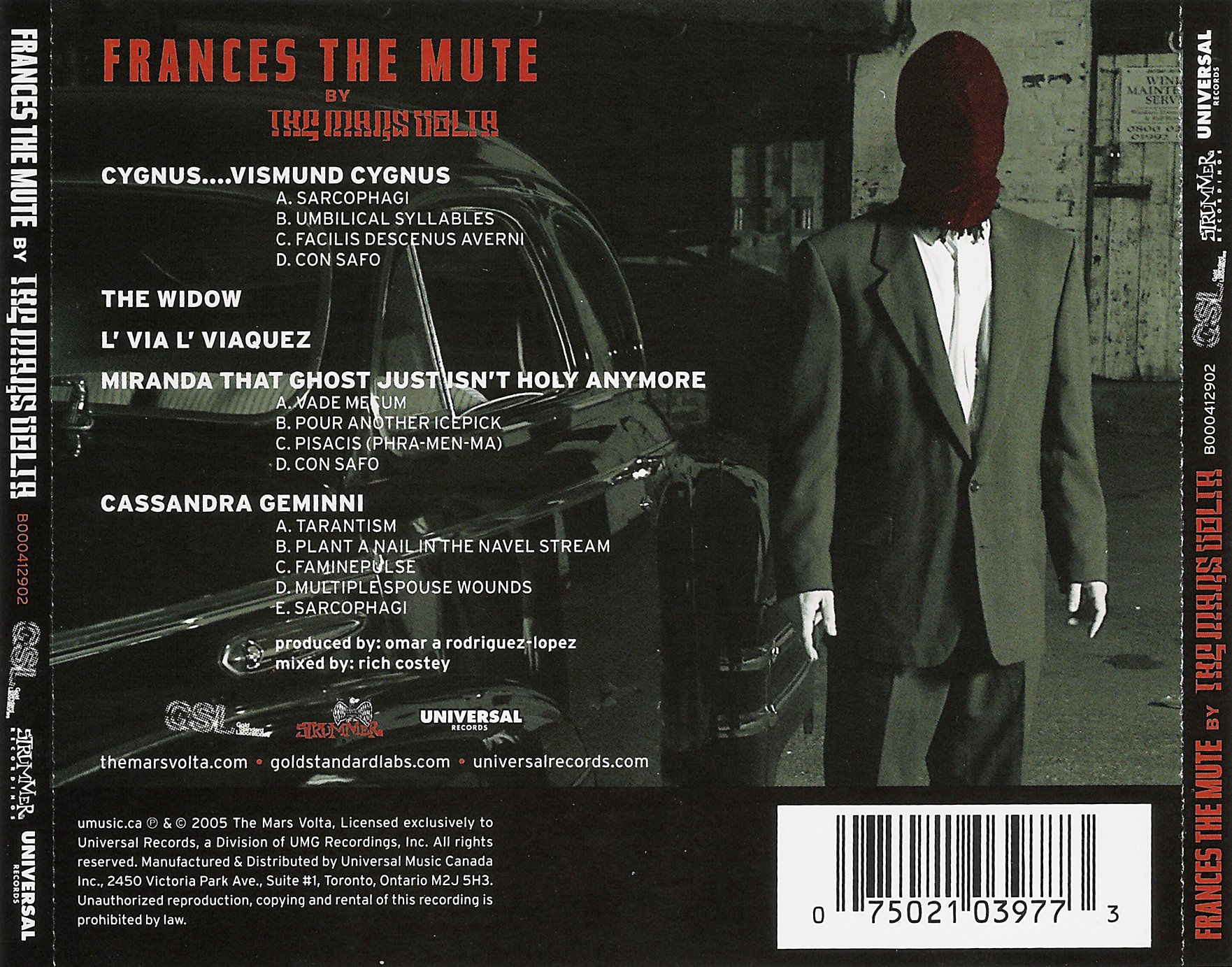
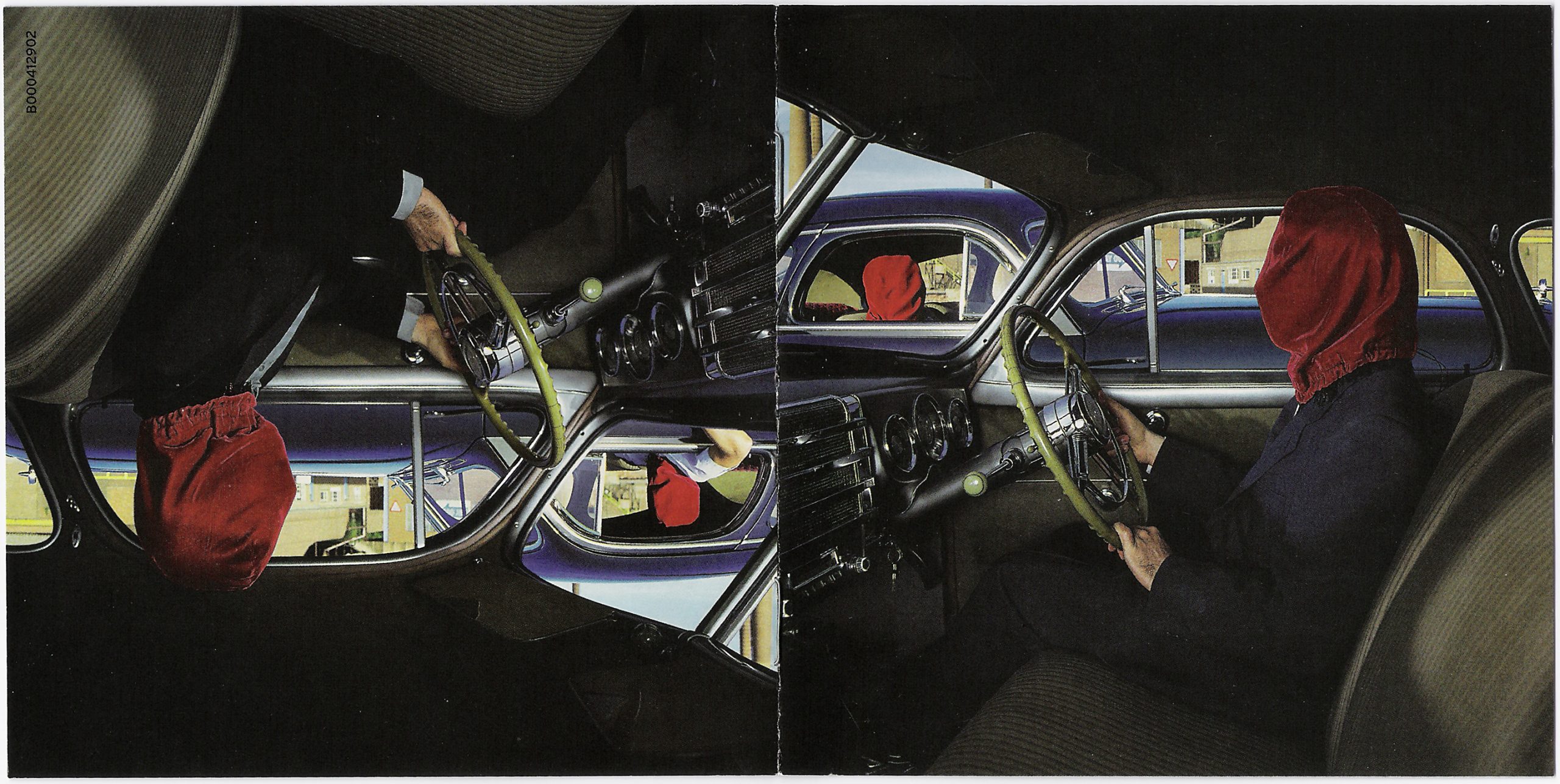
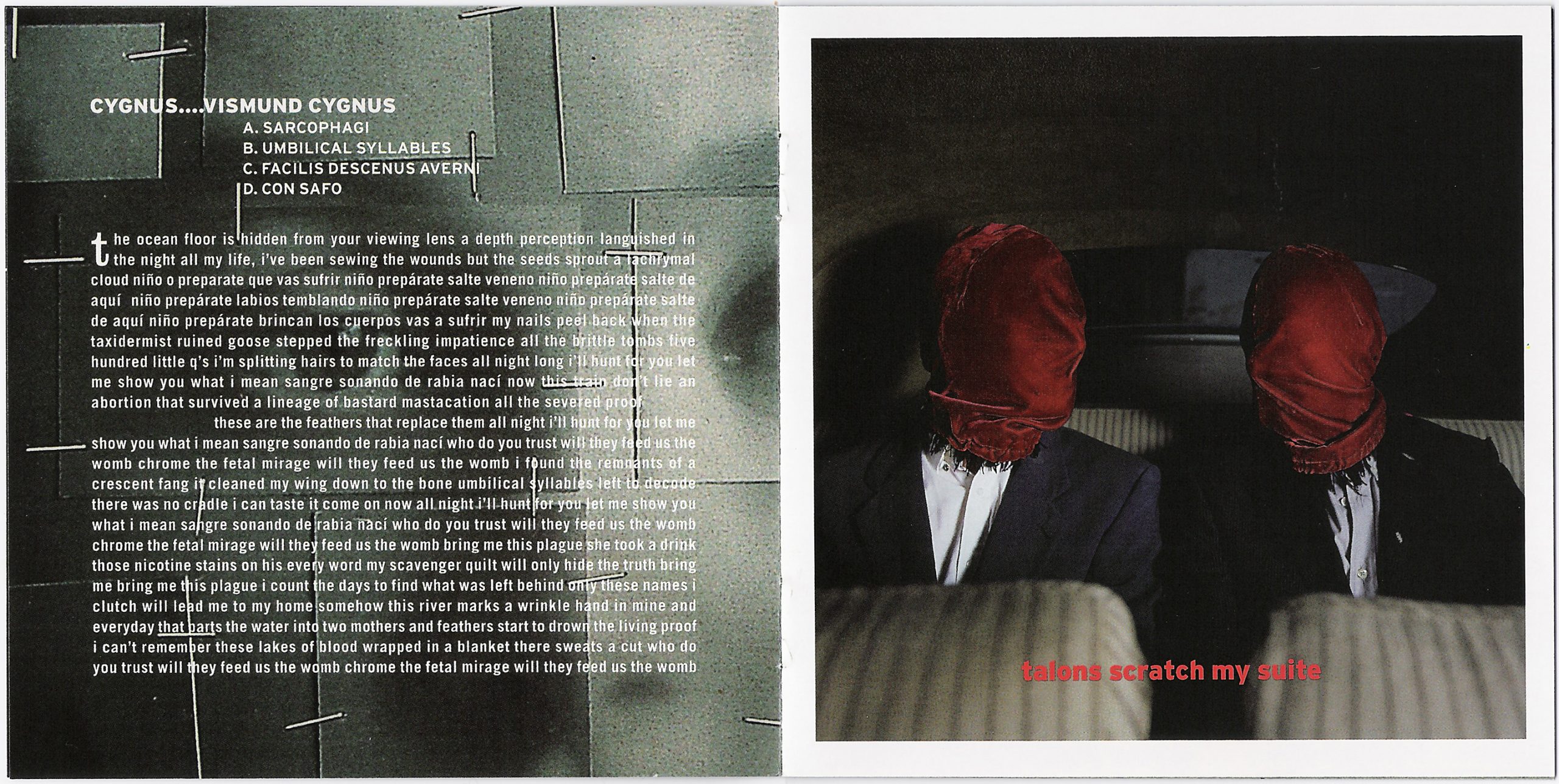
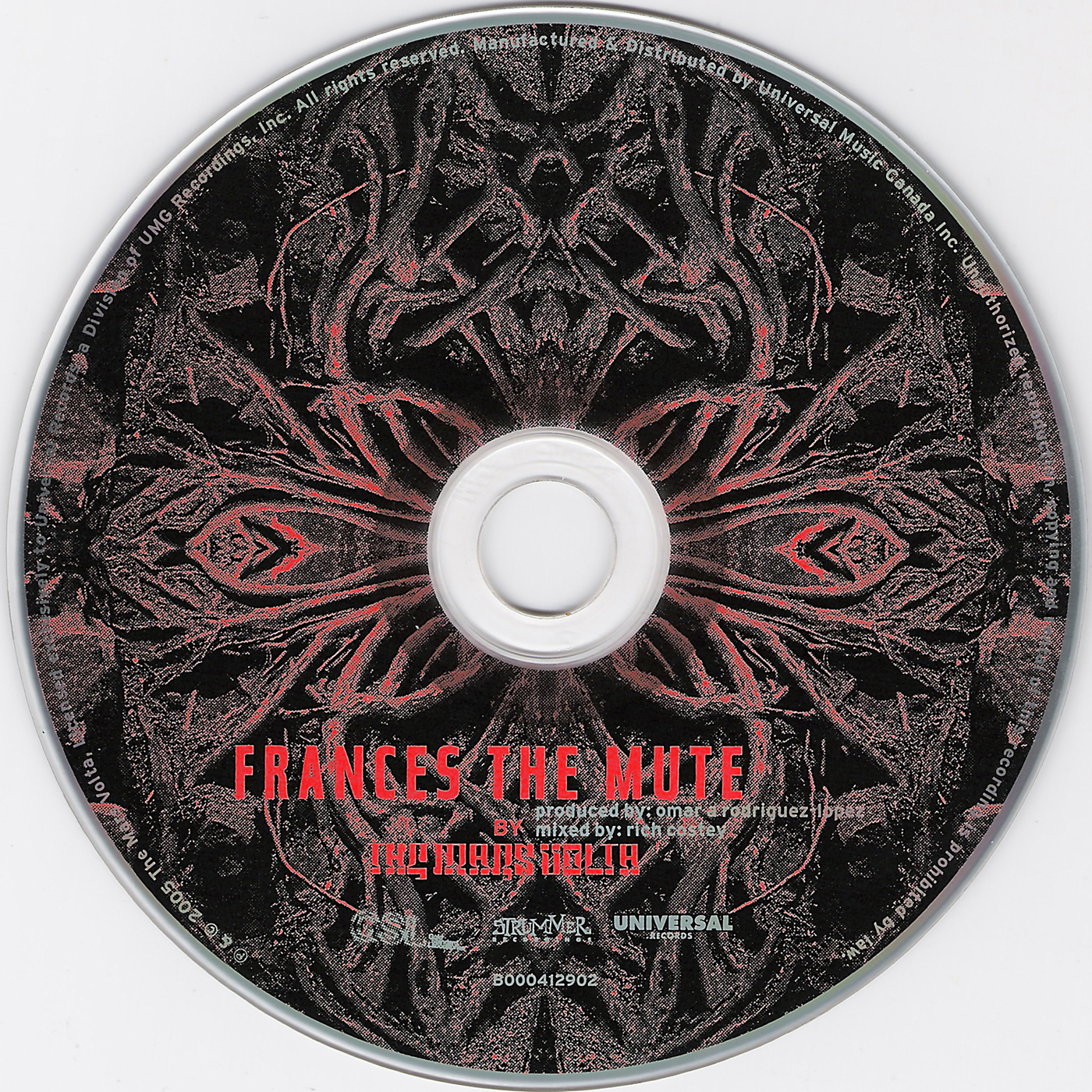
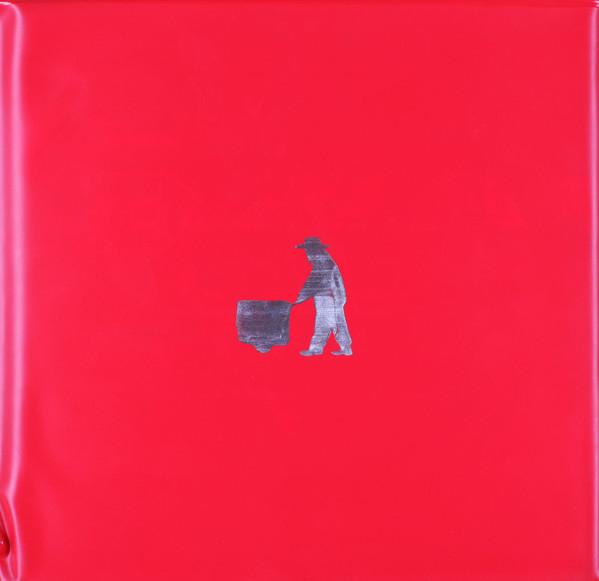
Frances the Mute is the second studio album by American progressive rock band The Mars Volta released in February 2005 on Gold Standard Laboratories and Universal. Produced by guitarist and songwriter Omar Rodriguez-Lopez, the album incorporates dub, ambient, Latin and jazzinfluences, and is the first to feature bassist Juan Alderete and percussionist Marcel Rodriguez-Lopez. The album also includes contributions from future saxophonist Adrián Terrazas-González, who joined the band during its subsequent tour.
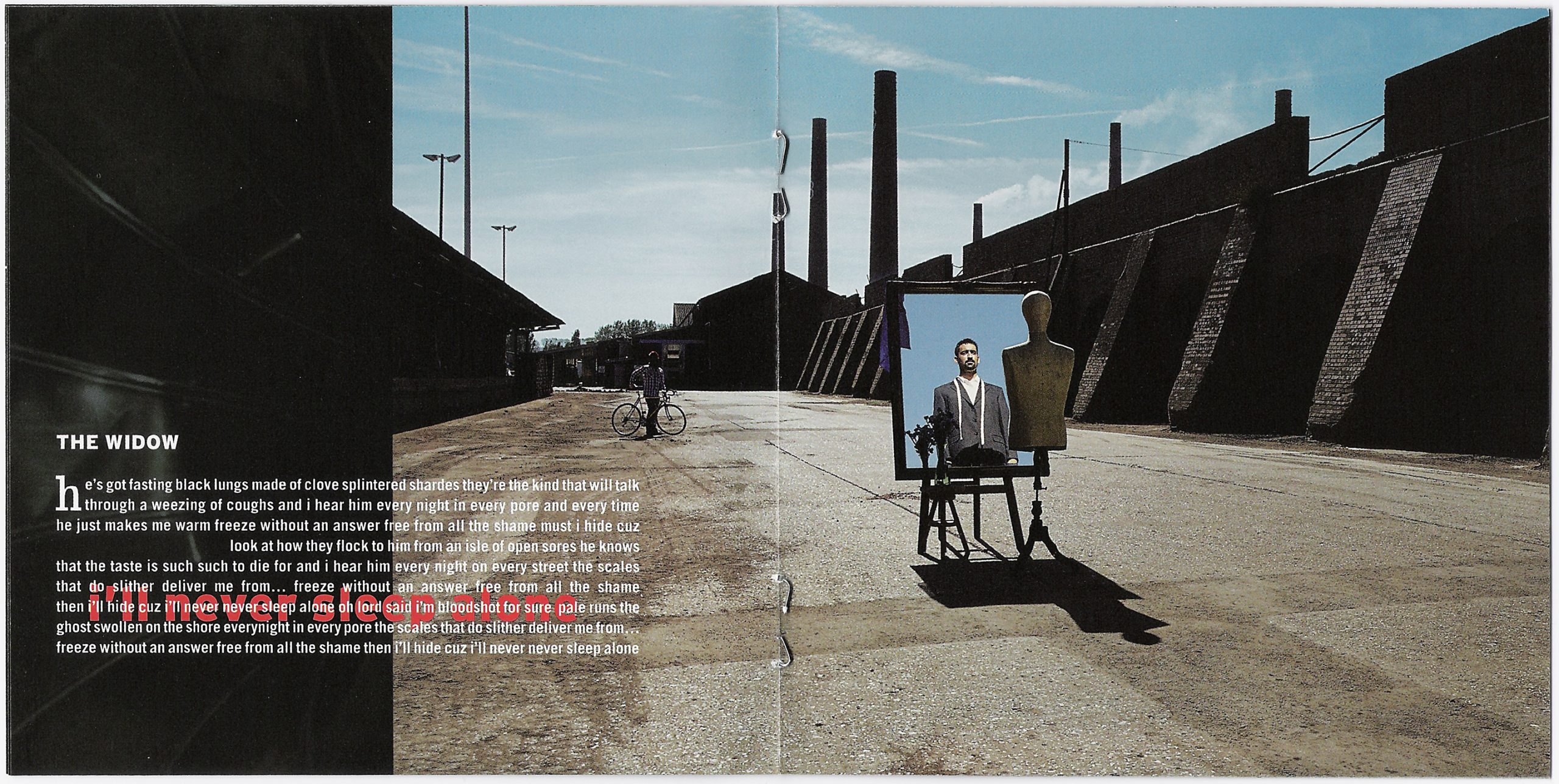
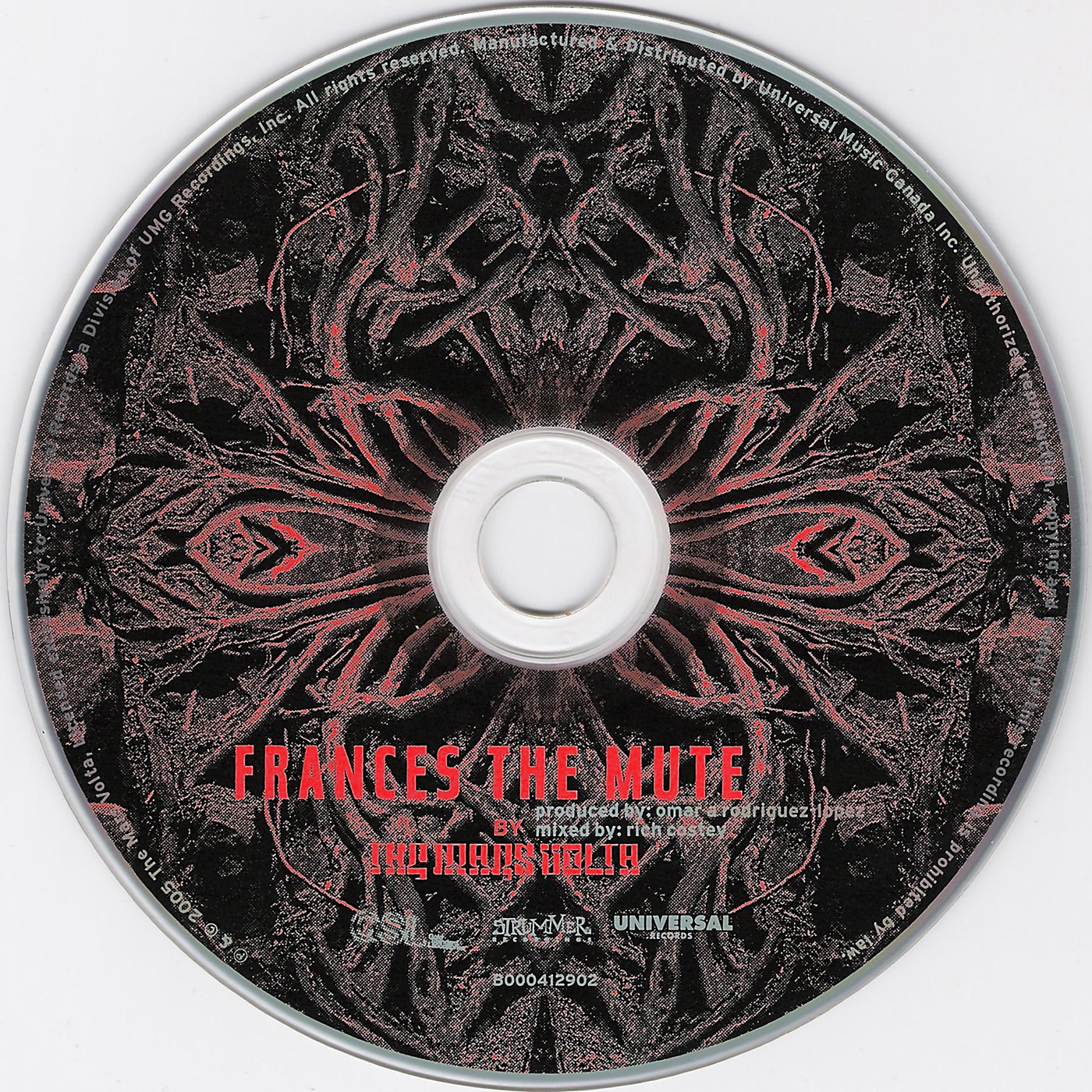
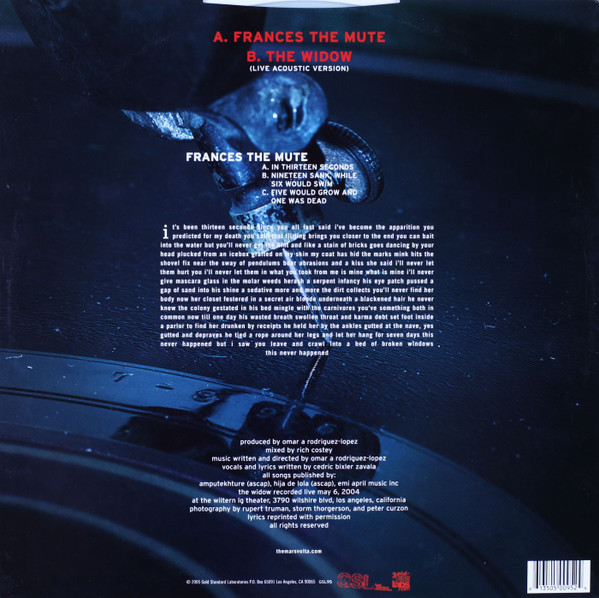
At the time of release Best Buy had an exclusive CD single that came free with the purchase of the album. Included on the CD was the song “Frances The Mute” & a live, acoustic version of “The Widow” which was recorded at The Wiltern Theater in Los Angeles, CA on May 6th, 2004.
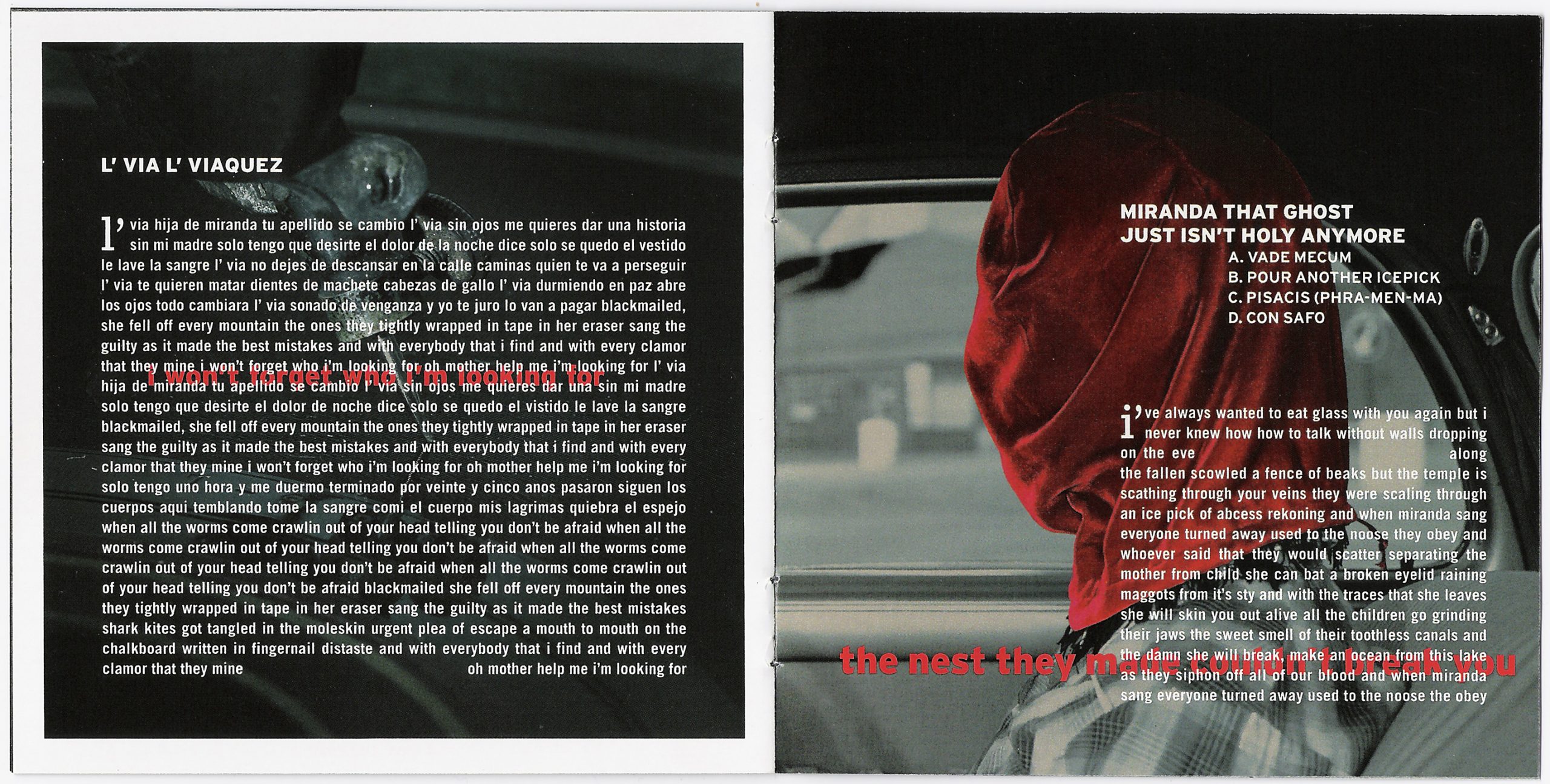
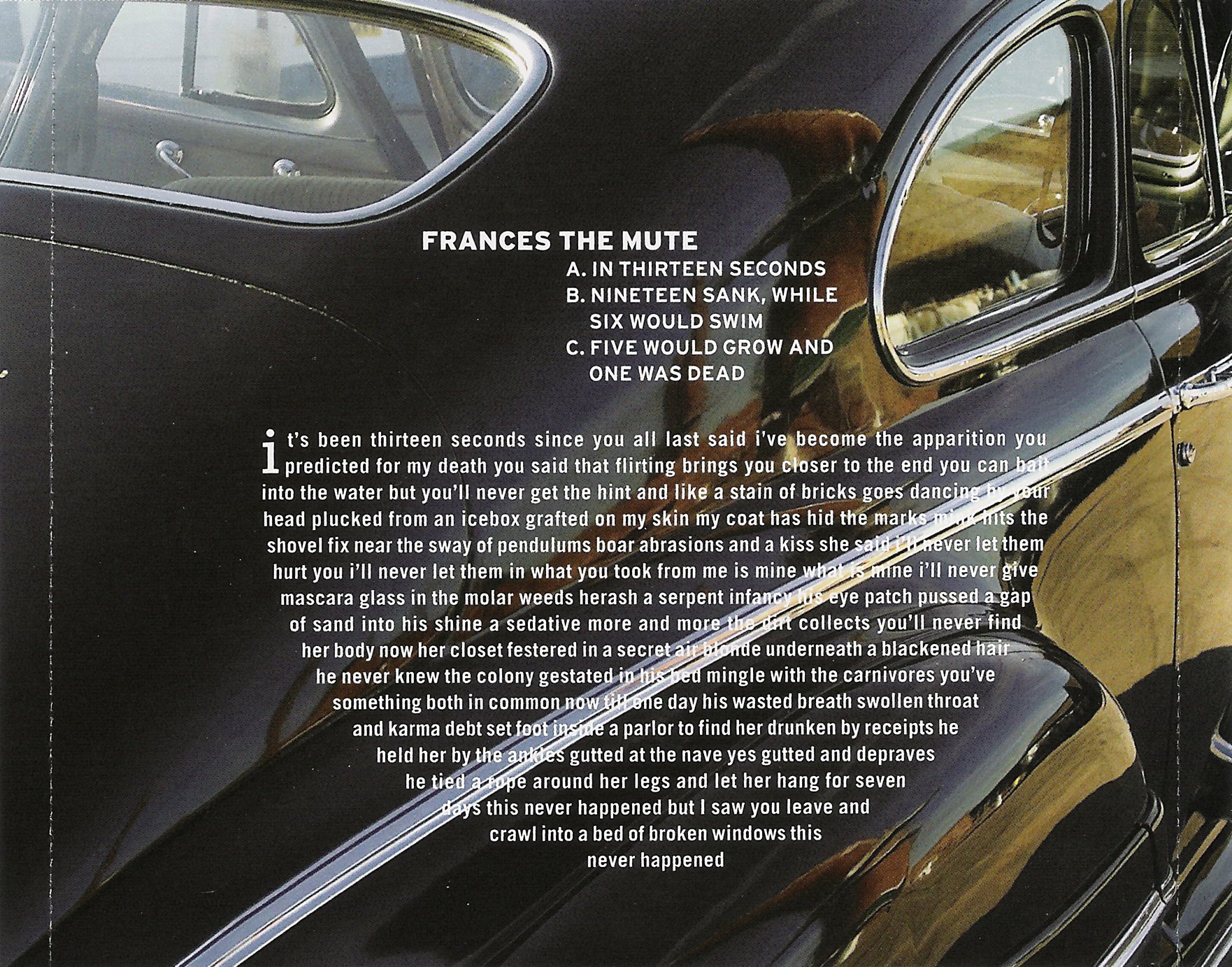
Frances the Mute, the song, has described as a decoder for the album’s story. Initially, it was stated that it was cut from the album as it would have made the album a double CD which Universal was not willing to support. Later interviews indicate that the intention was to never include the song on the album.
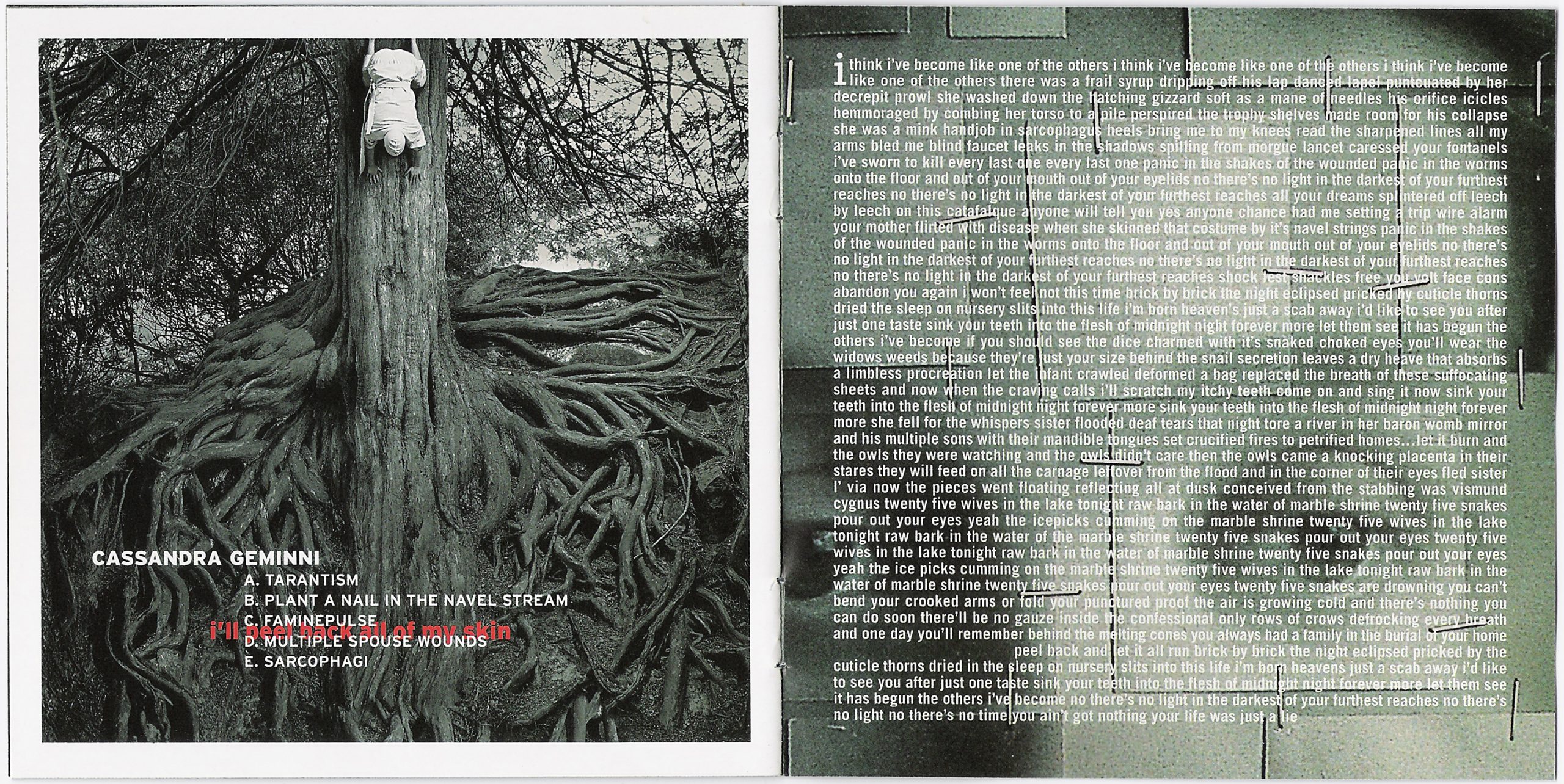
The song Cassandra Gemini is split into eight tracks on the CD version and initial digital releases. This was due to Universal Records stating the album would have to be sold as an EP if there were only five tracks.
Background
Jeremy Ward, audio artist for The Mars Volta until his death, had previously worked as a repo man. One day, Ward discovered a diary in the backseat of a car he was repossessing, and began to note the similarities between his life and that of the author—most notably, that they had both been adopted. The diary told of the author’s search for his biological parents, with the way being pointed by a collection of people, their names being the basis for each named track of Frances the Mute.
Regarding the recording process Omar stated:
“”We’ll sit there and play it forever and slow—real slow—to understand what’s happening. It’s easy to play something fast and loud, but to play it soft and slow takes a certain amount of discipline. Then once we understand the part, everyone’s free to elaborate—their personalities come out and it’s not my part anymore; they get into and give it that swing that I can’t give it. This is the first time I’ve ever been so methodical about recording. Normally I would go into the situation with as good an idea as I could, whether that was from performing the songs on tour or having a general road map. But this was the first instance where I considered every single hit all the way through, every figure up to and including every change. There were no question marks. So when I was tracking with the metronome it was just a question of right or wrong. People filling in ideas can become tedious and counterproductive. You find yourself working backwards. When you’re in the studio ‘what ifs’ are your biggest enemy, so my general rule is, if it’s something you can’t live with—if a sentence begins with ‘I can’t’ or ‘I will not’—then we examine it. But if it’s ‘maybe we should’ or ‘I think that’ then it’s like, hey man, full steam ahead. Not that there isn’t a lot of refinement to what we do—obviously there is— but I consider it a balance of raw energy and refinement.”
Regarding the lyrics Cedric stated:
“A lot of it was [written] on the spot. Omar — because he collects TVs — would set up his wall of TVs again. We used to live together and he would set them up all the time — kind of like in the David Bowie movie, The Man Who Fell to Earth, he had a stack of TVs like that. So he would do that while I would record vocals, and that would be the main inspiration. So it was everything from The Magnificent Seven and any Akira Kurosawa stuff. And I wouldn’t have [lyrics] written right away; I would just do takes of gibberish and then later try to fix them to make them into words. Sometimes he wanted to just keep the gibberish takes which he liked a lot better because it was the first reaction to the music. It’s just really [about] being in a state of being willing to give up to the producer your scratch tracks, as opposed to really working on it and refining it.”
Regarding the sound of Miranda That Ghost Just Isn’t Holy Anymore:
“I’m a big fan of spaghetti-western and I think it shows on “Miranda”. Our Morricone-influence has always been there, but on “Miranda” we let it all out. The last song [“Non-Zero Possibility”] on the last At the Drive-In album, the best thing we ever did by the way, had touches of spaghetti-western.”
Charting
Australian Albums (ARIA) 9
Austrian Albums (Ö3 Austria) 43
Belgian Albums (Ultratop Flanders) 13
Belgian Albums (Ultratop Wallonia) 70
Canadian Albums (Billboard) 6
Dutch Albums (Album Top 100) 34
Finnish Albums (Suomen virallinen lista) 14
French Albums (SNEP) 71
German Albums (Offizielle Top 100) 23
Irish Albums (IRMA) 18
Italian Albums (FIMI) 21
New Zealand Albums (RMNZ) 21
Norwegian Albums (VG-lista) 1
Spanish Albums (PROMUSICAE) 80
Swedish Albums (Sverigetopplistan) 12
Swiss Albums (Schweizer Hitparade) 81
UK Albums (OCC) 23
US Billboard 200 4
Frances the Mute was certified Gold having sold at minimum 500,000 copies.
Photos & Media
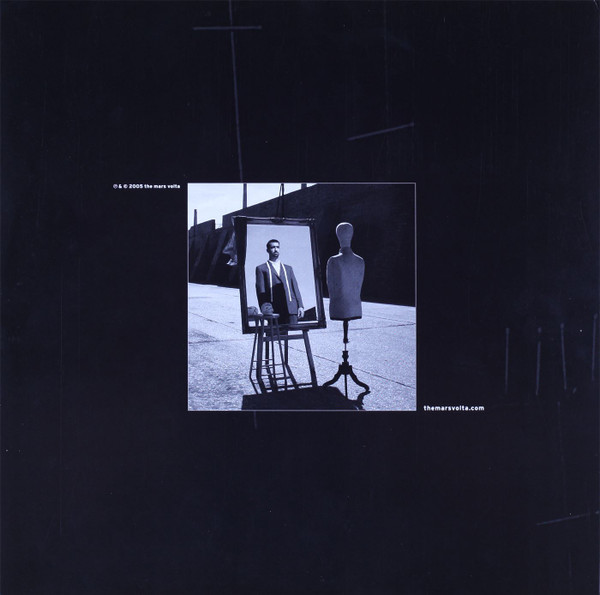
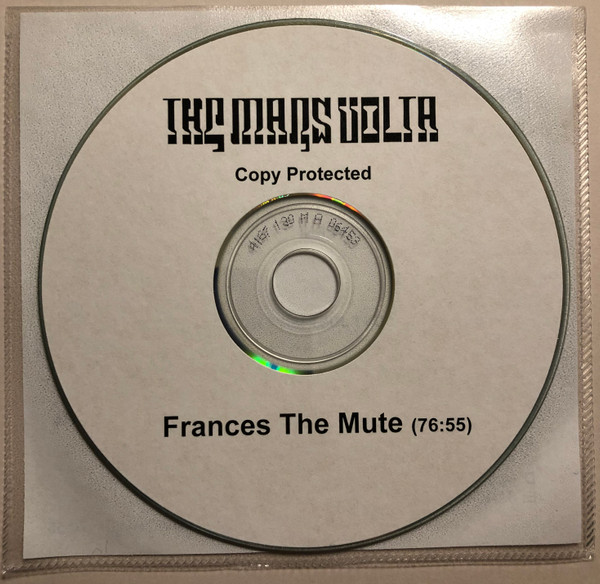
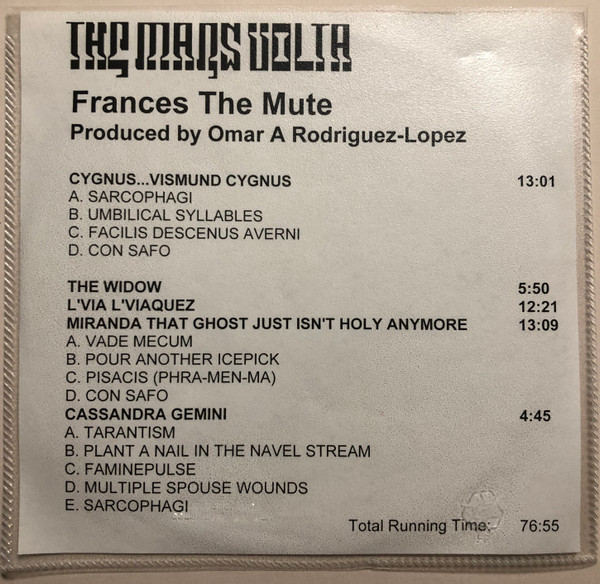
Videos
Releases & pressings
View on Discogs ↗Credits
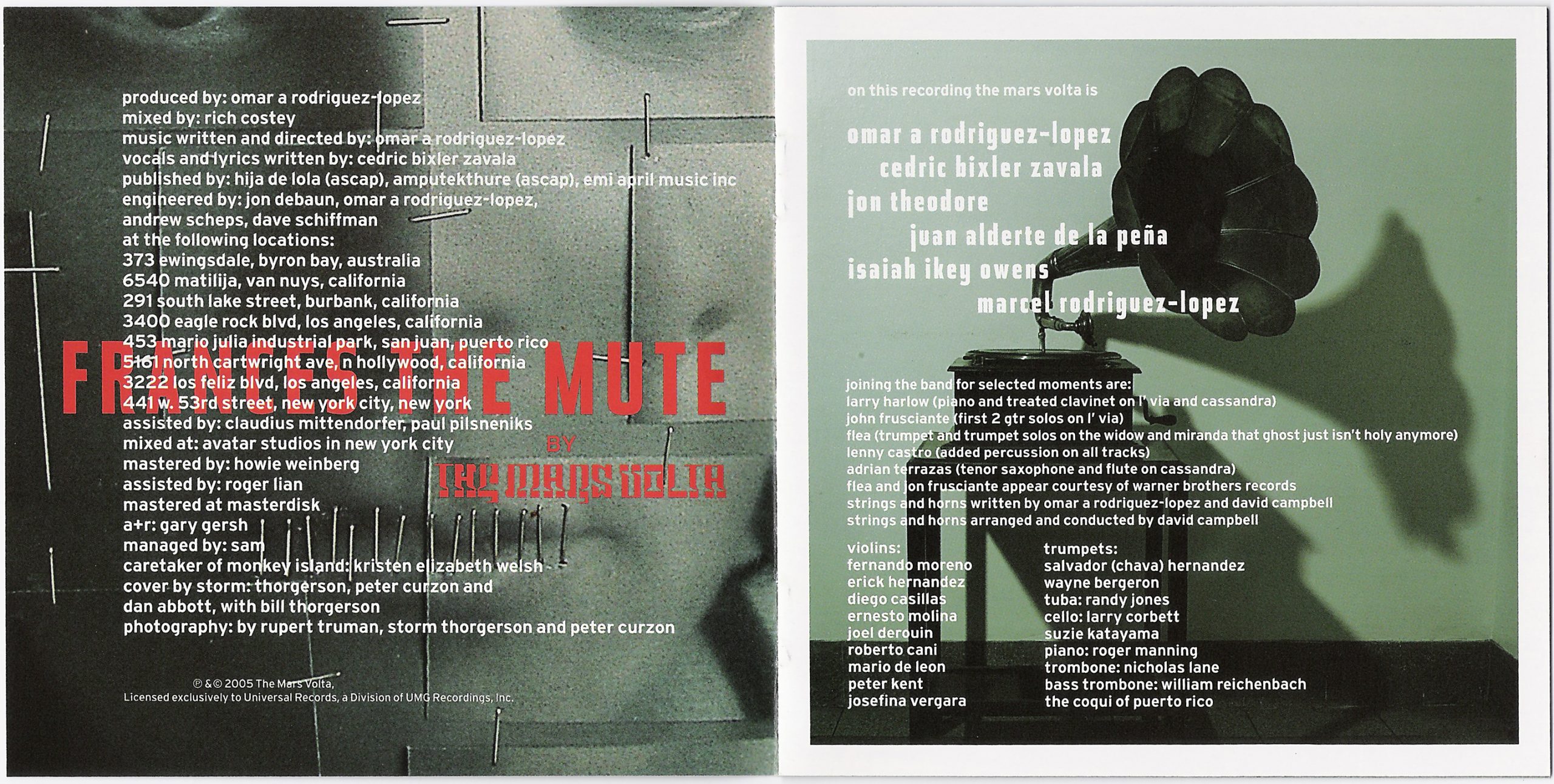
- A&R: Gary Gersh
- Arranged By [Strings, Horns], Conductor [Strings, Horns]: David Campbell
- Bass Trombone: Bill Reichenbach (2), The Coqui Of Puerto Rico
- Cello: Larry Corbett, Suzie Katayama
- Cover: Bill Thorgerson, Dan Abbott (2), Peter Curzon, Storm Thorgerson
- Engineer: Andrew Scheps, David Schiffman, Jon Debaun, Omar Rodriguez-Lopez
- Engineer [Assistant]: Claudius Mittendorfer, Paul Pilsneniks
- Mastered By: Howie Weinberg
- Mastered By [Assistant]: Roger Lian
- Mixed By: Rich Costey
- Music By, Directed By: Omar Rodriguez-Lopez
- Percussion [Additional]: Lenny Castro
- Performer [Band Member]: Cedric Bixler-Zavala, Isaiah Owens, Jon Theodore, Juan Alderete de la Pena, Marcel Rodriguez-Lopez, Omar Rodriguez-Lopez
- Photography By: Peter Curzon, Rupert Truman, Storm Thorgerson
- Piano: Roger Joseph Manning Jr.
- Piano, Clavinet: Larry Harlow (tracks: 3, 8 to 12)
- Producer: Omar Rodriguez-Lopez
- Tenor Saxophone, Flute: Adrian Terrazas (tracks: 8 to 12)
- Trombone: Nick Lane
- Trumpet: Salvador "Chava" Hernandez, Wayne Bergeron
- Tuba: Randy Jones (2)
- Violin: Diego Casillas, Erick Hernandez, Ernesto Molina, Fernando Moreno (8), Joel Derouin, Josefina Vergara, Mario DeLeon, Peter Kent (2), Roberto Cani
- Vocals, Lyrics By: Cedric Bixler-Zavala
- Written-By [Strings, Horns]: David Campbell, Omar Rodriguez-Lopez
Release notes
All pressings (42)
Release and variant data courtesy of Discogs.com.